Somewhere between building a business and building an identity, we started treating ourselves like companies.
A one-person business says “we.” A personal profile has a content strategy. Even the smallest creative project comes with a visual identity, a carefully written bio and a plan for how the world should perceive it.
And honestly, it makes sense. We want to look professional. We want to be taken seriously. We want our work to feel bigger than the person behind it. Saying “we” can sound more established than admitting you’re doing everything yourself, from the first idea to the final upload.
But somewhere along the way, this way of presenting ourselves became more than a business practice. It became a personal one.
We curate our lives, develop our aesthetics and think about how everything we share might be perceived. We turn our interests into identities and our identities into something recognisable. Even authenticity has become something we know how to perform.
Brands are trying to feel more human, while humans are learning to behave more like brands.
There’s nothing inherently wrong with that. A personal brand can open doors, and presenting yourself professionally can make a real difference. But not everything needs to be optimised, packaged or turned into a business to have value.
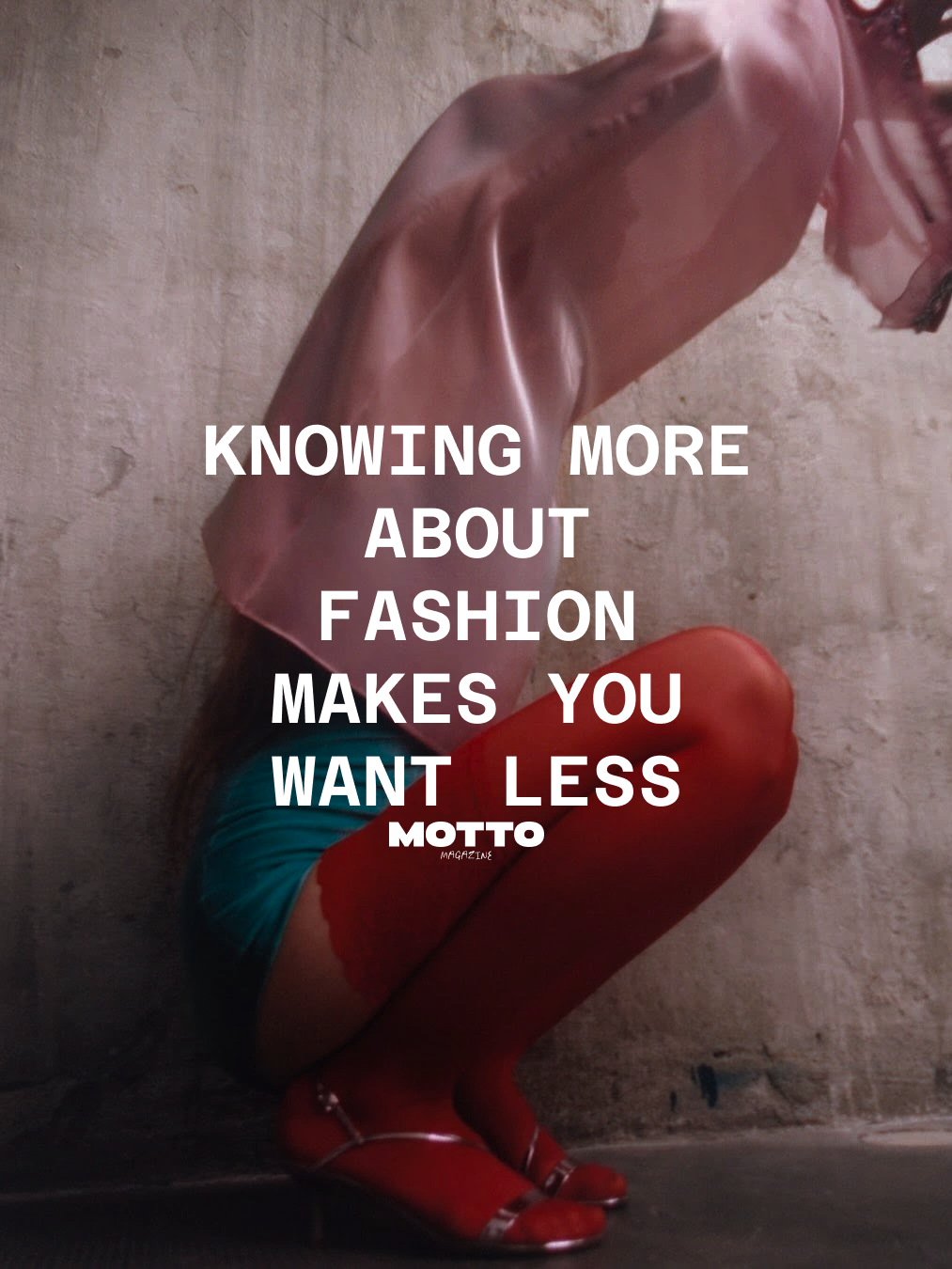
That’s partly why I want MOTTO to feel personal. Not like a publication pretending to be a corporation, but like an archive of one girl’s interests, obsessions, references and point of view. Something shaped by curiosity rather than a need to fit into a strategy.
Because there’s a difference between building something with intention and turning everything about yourself into a product.
Maybe we’ve become so accustomed to presenting ourselves professionally that we’ve forgotten the appeal of something that feels genuinely personal. A project that doesn’t pretend to be bigger than it is. A point of view that doesn’t need a team behind it to be worth listening to.
You can take your work seriously without pretending to be a company. You can build something meaningful without turning yourself into its marketing department.
Sometimes, one person is enough.